Whiplash Claim Assessment: What Information You Need to Provide
Understanding the Whiplash Claim Assessment Process
When you have been in a road traffic accident and suffered a whiplash injury, the process of seeking compensation begins with a whiplash claim assessment. This assessment is the stage where the relevant parties review the details of your case to determine if you are entitled to compensation. For anyone considering a claim, knowing what information is required can make the process smoother and less stressful. This article explains the key pieces of information typically needed and how they fit into the overall assessment.
What is a Whiplash Claim Assessment?
A whiplash claim assessment is a structured review of the circumstances of your accident and the injuries you sustained. It is not a single event but a series of steps that gather evidence to support your case. The assessment helps establish two main things: liability (who was at fault) and the severity of your injuries. The information you provide at the start forms the foundation of your claim, so it is important to be thorough and accurate.
Key Information Needed for the Assessment
To begin a whiplash claim assessment, you will need to provide several types of information. These can be grouped into categories that cover the accident itself, your injuries, and the impact on your life. Below is a breakdown of the most common requirements.
1. Accident Details and Claim Notification
The first step is to notify the relevant party that you intend to make a claim. This is known as claim notification. You will need to provide the date, time, and location of the accident. A brief description of how it happened is also required. If the police attended, a reference number from the incident report can be helpful. This information helps establish the timeline and the context of the event.

2. Liability: Proving Who Was at Fault
For a whiplash claim to succeed, you generally need to show that another party was responsible for the accident. This is where liability comes into play. Key information for this part includes the other driver's details (name, address, insurance information) and the vehicle registration number. An accident report from the police or a third party can strengthen your case. If there were witnesses, their statements can be crucial. A witness statement should include what they saw, in their own words, and their contact details.
3. Medical Evidence of Your Injury
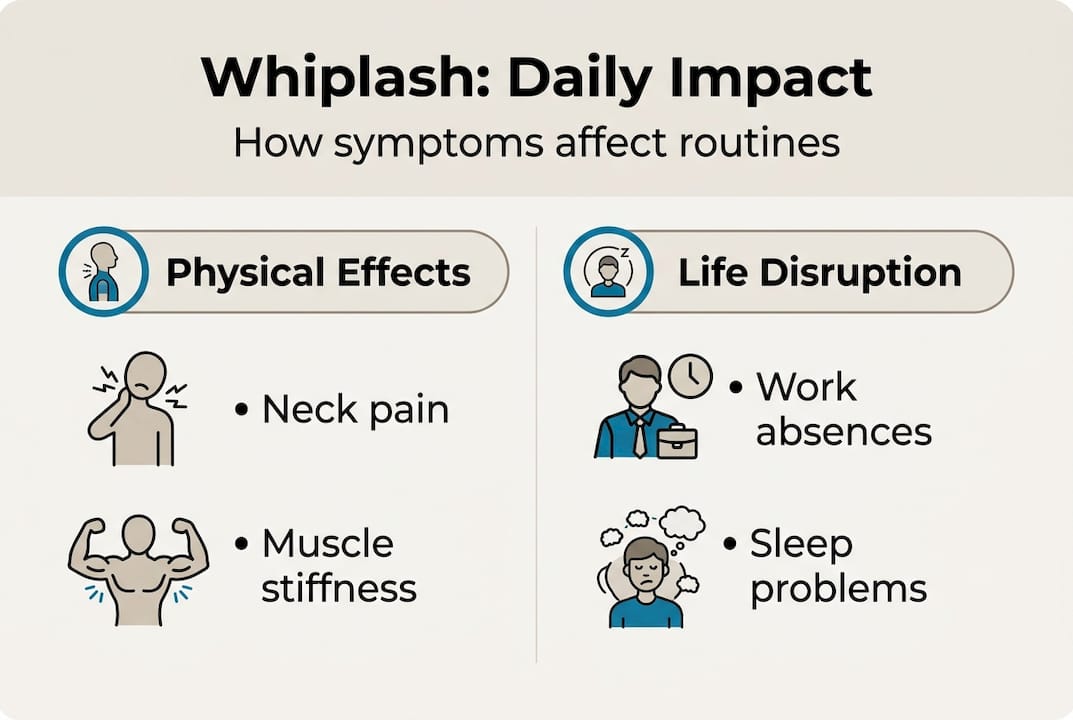
Whiplash is a soft tissue injury that can have varying degrees of severity. To assess your claim, medical evidence is essential. This means you will need to see a medical professional, such as a GP or a hospital doctor, as soon as possible after the accident. They will document your symptoms, such as neck pain, stiffness, headaches, or limited range of motion. A formal medical report will be prepared later, often by a specialist appointed by the claims process. This report will describe your injury, the recommended treatment, and the expected recovery time. It is the cornerstone of your claim because it directly links the accident to your injury.
4. Photographic Evidence of the Scene
Photographic evidence can be very persuasive in a whiplash claim assessment. If it is safe to do so at the scene, take photos of the vehicles involved, their positions, and any visible damage. Also photograph the surrounding area, including road conditions, traffic signs, and weather conditions. These images can help reconstruct the accident and support your version of events. Even if you do not have photos taken at the time, any images you can gather later (such as from a dashcam or nearby CCTV) can be useful.
5. Proof of Financial Loss
Whiplash claims often include compensation for financial losses directly related to the injury. This can include the cost of medical treatment (if you paid privately), travel expenses to appointments, and loss of earnings if you had to take time off work. You will need to provide receipts, payslips, or a letter from your employer as evidence. Keep a record of any other out-of-pocket expenses, such as prescription charges or physiotherapy costs.
How the Information is Used
Once you have gathered the necessary information, it is submitted to the claims process. The insurer of the at-fault party will review the evidence to decide whether to accept liability and offer a settlement. If liability is disputed, the case may need more evidence or legal input. The medical evidence is used to calculate the value of your injury based on established guidelines. The financial evidence adds to the total compensation amount.

Common Questions About Whiplash Claim Assessment
How long do I have to start a claim?
In Scotland, the general claim deadline for a personal injury claim is three years from the date of the accident. However, it is advisable to start the process as soon as possible. The earlier you gather evidence and seek medical attention, the stronger your case is likely to be. Delays can make it harder to obtain witness statements or photographic evidence.
Do I need a solicitor for the assessment?
While it is possible to handle a claim yourself, many people find it helpful to have legal support. A solicitor consultation can clarify what information you need and how to present it effectively. Solicitors who specialise in personal injury claims understand the nuances of the assessment process and can help you avoid common pitfalls. They can also handle communication with the other party's insurer, which can be stressful for someone who is injured and recovering.
What to Watch Out For
During a whiplash claim assessment, be honest and consistent with the information you provide. Inconsistencies in your account of the accident or your symptoms can weaken your claim. Also, be aware that the other party's insurer may ask for recorded statements or request access to your medical records. It is generally wise to seek advice before agreeing to such requests. A solicitor can guide you on what is reasonable and what could be used against you.
The Role of Legal Support
For many people in Scotland, pursuing a whiplash claim can feel daunting. That is where services like scotlandclaims.co.uk come into play. They help people in Scotland pursue compensation for whiplash and other personal injuries through no win no fee legal support. Having a legal professional on your side can make the assessment process more straightforward, as they can help you compile the necessary documents and advise on the strength of your case.
Practical Steps to Take After an Accident
If you have been in a road traffic accident and think you may have a whiplash injury, here are some practical steps to take immediately:
- Seek medical attention, even if the pain seems mild. Whiplash symptoms can take hours or days to appear.
- Report the accident to the police if there is significant damage or injury.
- Exchange insurance details with the other driver.
- Take photos of the scene and any visible damage.
- Write down your own account of what happened while it is fresh in your mind.
These actions will provide a solid starting point for your whiplash claim assessment.
Final Points to Remember
The whiplash claim assessment is a process that relies on clear, accurate information. By understanding what is required and preparing accordingly, you can improve your chances of a successful outcome. The key pieces of information include accident details, liability evidence, medical reports, photographic evidence, and proof of financial loss. Each plays a specific role in building your case. If you are unsure about any part of the process, it is sensible to seek professional advice. Resources such as scotlandclaims.co.uk are designed to help people in Scotland navigate the claims process without upfront legal fees. Remember, the sooner you start gathering information and seeking guidance, the smoother the assessment is likely to be.